-
-
-
Plot No -18, Tirumala Hans Industrial Park, Indore, India
Oorja Technical: Precision Electrical Testing for Safety, Reliability, and Compliance
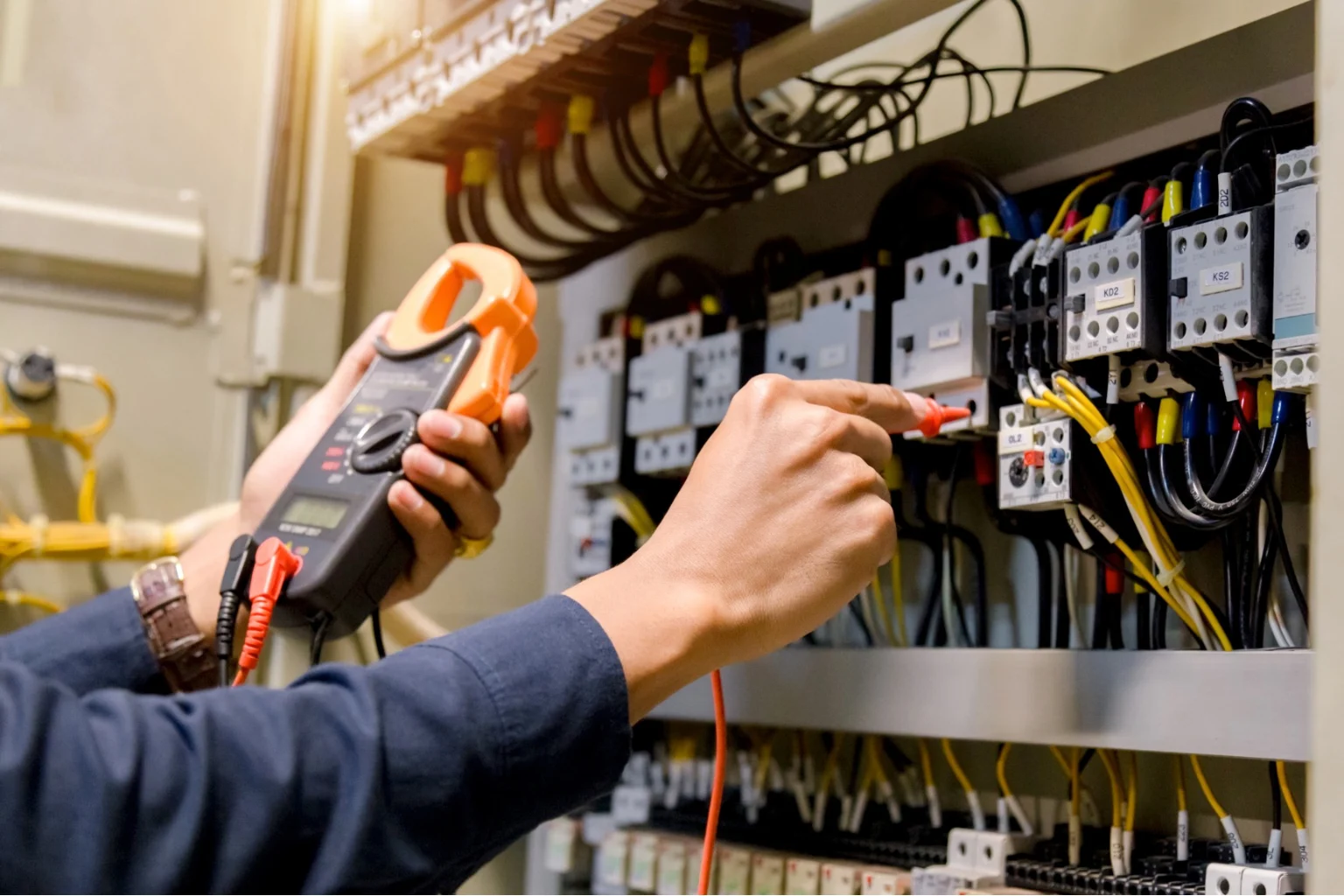
In power-intensive industries, electrical testing is more than a compliance checkbox—it is the foundation of safety, uptime, and asset reliability. A single undetected fault in a panel, transformer, or grounding system can trigger costly downtime, safety incidents, and regulatory penalties. That is why businesses across India rely on Oorja Technical Services Pvt. Ltd. for comprehensive electrical testing delivered with NABL accreditation and decades of field expertise.
Oorja Technical is a 25-year-old electrical testing and engineering services provider, trusted by leading power utilities, industrial houses, and infrastructure projects. With ISO/IEC 17025 (NABL) accreditation and a pan-India service network, Oorja delivers accurate, traceable, and actionable test data—helping asset managers act before failure, not after.
Thermography of Electrical Panels: Seeing the Invisible
Electrical faults often begin as silent heat build-up. Loose connections, corroded terminals, unbalanced phases, and overloaded circuits generate abnormal temperatures long before they cause a breakdown. Infrared thermography makes this invisible threat visible.
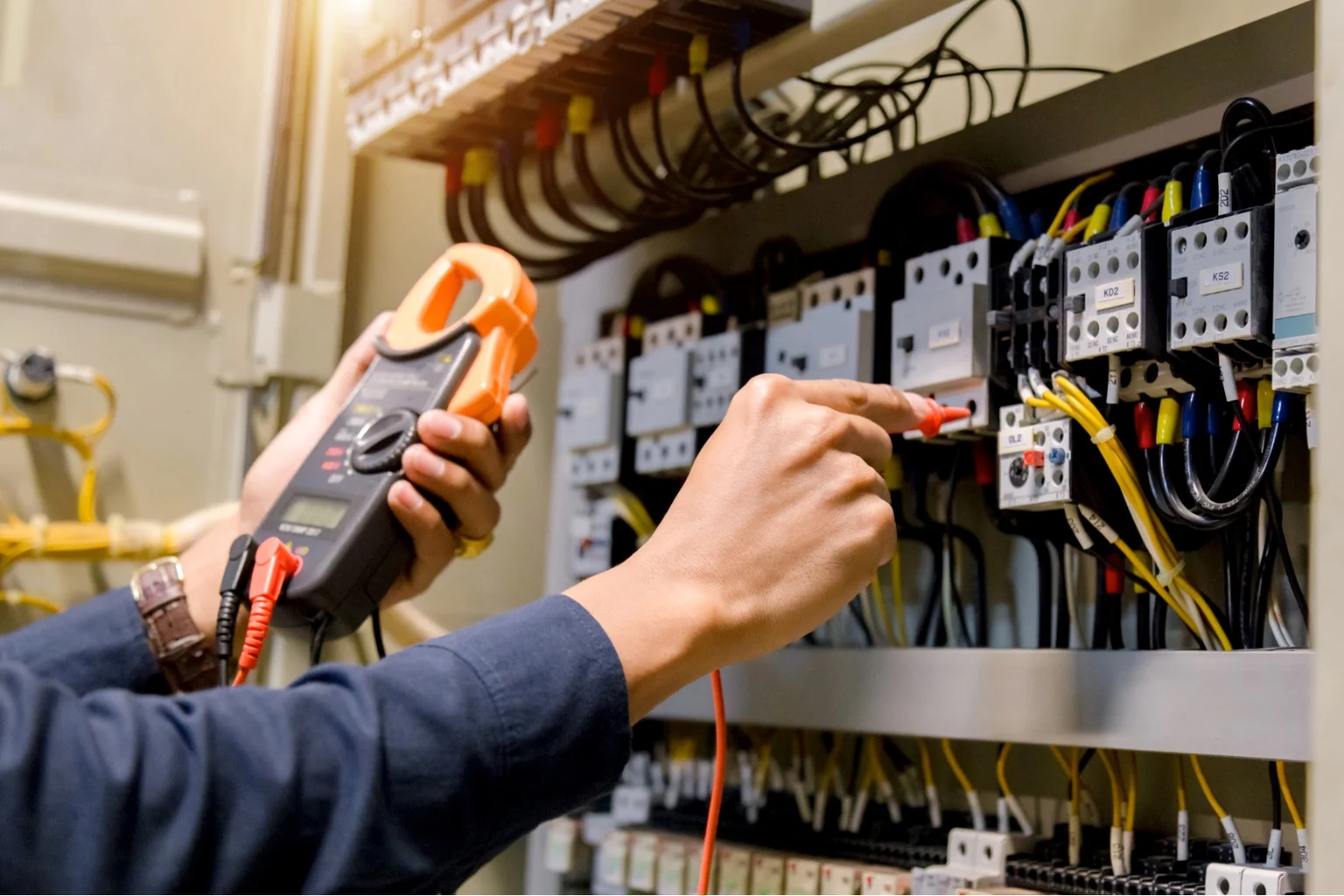
Oorja’s thermographic inspection of electrical panels is a non-contact, non-invasive diagnostic that identifies overheating and potential faults while the system remains energised. This means inspections can be carried out without interrupting operations, reducing downtime to near zero.
What Thermography Detects
- Hot connections and anomalies on busbars, terminals, and circuit breakers.
- Loose or deteriorated connections that increase resistance and heat.
- Phase imbalance and overloaded circuits.
- Early-stage component degradation before catastrophic failure.
Why It Matters
Regular thermographic inspections enable predictive maintenance—catching issues before they lead to unplanned downtime, equipment damage, or electrical fires. For facilities with aging infrastructure, thermography extends asset lifespan and reduces the risk of injury to maintenance personnel by identifying hazardous conditions early.
Oorja’s thermography service is integrated with its broader electrical testing portfolio, so findings can lead directly to corrective action—whether that means tightening a connection, replacing a component, or scheduling a planned shutdown.
Earth Pit Testing: The Foundation of Electrical Safety
A grounding system is only as good as its earth pit. If earth resistance is too high, fault currents cannot dissipate safely, exposing personnel to electric shock and equipment to damage. Earth pit testing verifies that the grounding system will perform when it matters most.
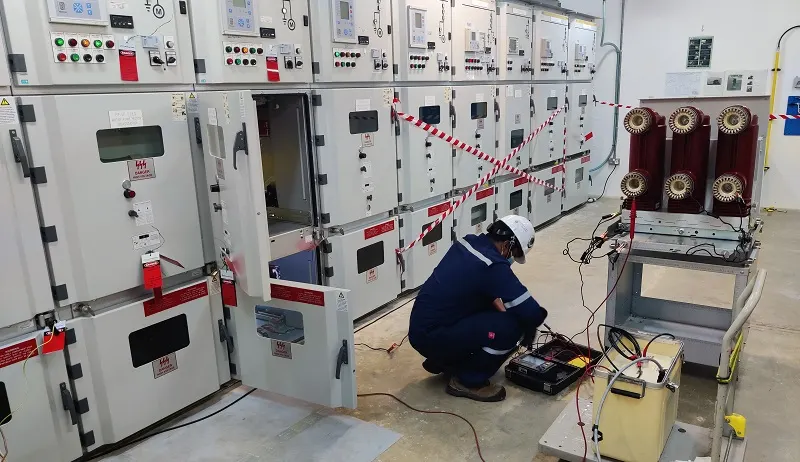
Oorja Technical provides earth pit testing as part of its electrical safety testing services, evaluating grounding system effectiveness for industrial, commercial, and infrastructure facilities. Testing is carried out in accordance with relevant standards, including IS 3043, which specifies the code of practice for earthing.
The Testing Method: Fall-of-Potential (3-Point Method)
The most widely used method for earth pit testing is the fall-of-potential or 3-point method, as outlined in IS 3043. The test involves:
- Earth Electrode (E): The electrode under test.
- Potential Spike (P): Placed at a defined distance to measure voltage drop.
- Current Spike (C): Used to inject a known current into the earth.
A digital earth tester or megger is used, with auxiliary electrodes driven at specified distances (typically 30 m and 15 m for C and P probes). The measured resistance is compared against acceptance criteria—often less than 1 ohm for system earthing, or as specified by the project.
Why Regular Earth Pit Testing Is Essential
- Personnel safety: Low-resistance earthing ensures fault currents trip protective devices quickly.
- Equipment protection: Proper grounding prevents voltage surges from damaging sensitive electronics.
- Compliance: Many Indian standards and safety audits require periodic earth pit testing, with records maintained for inspection.
- Early detection of degradation: Soil conditions, moisture, and corrosion can change earth resistance over time. Routine testing catches deterioration before it becomes a hazard.
Oorja’s earth pit testing is backed by NABL-accredited processes and experienced field engineers, ensuring measurements are accurate, repeatable, and audit-ready.
One Partner, End-to-End Assurance
What sets Oorja Technical apart is its integrated model. Testing, calibration, and remedial maintenance are delivered under one roof—so clients do not need to coordinate between multiple vendors. This closed-loop approach reduces downtime, improves accountability, and ensures that test findings lead directly to corrective action.
From thermography of electrical panels to earth pit testing, Oorja’s electrical testing facility is built around a single promise: deliver unbiased technical data so asset managers can act with confidence. Whether you operate a power utility, a manufacturing plant, or a large infrastructure project, Oorja Technical provides the diagnostic clarity needed to keep your electrical systems safe, reliable, and compliant.